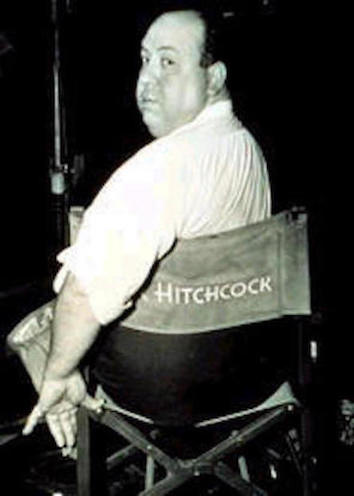
By 1933, after heady success that had made his name formidable in the world of British film making, Alfred Hitchcock's career had reached a lull. He was in his early thirties and had already gained a huge reputation during the 1920s as a director of exceptional talent and originality with films such as The Lodger (1927) and Blackmail (1929). But the commercial failure of Rich and Strange (1931), a short contract with Alexander Korda that had come to nothing, and uncertainly over which direction to follow professionally, resulted in his being without work. Thus, when independent producer Tom Arnold approached him with an offer to film the successful stage musical Waltzes From Vienna, Hitchcock accepted, apparently intrigued by the notion of working on a musical for the first time. When Esmond was engaged to repeat his original stage part on screen alongside Jessie Matthews, the most popular and highly paid female film star in Britain at the time, he had high hopes and felt his real chance in the cinema had well and truly arrived.
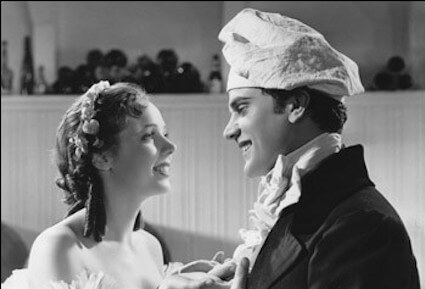
With Jessie Matthews in Waltzes From Vienna (1933). It is a little known fact that johann Strauss Junior found inspiration for The Blue Danube whilst working in a bakery - hence the hat!
Picture courtesy of The British Film Institute
Hitchcock's initial enthusiasm was no doubt genuine and his idea of turning the rather serious, romantic story of the play into a musical comedy script was, to Esmond's mind, inspired. But the process of turning the script into a film soon made Hitchcock realise that, as he later admitted, "…this really wasn't my sort of thing". Halfway through the filming he had lost interest altogether and accepted that he had made a mistake. At the end of a hard day's filming at the Lime Grove Studios in Shepherd's Bush, he announced to a large crowd of extras: "I hate this sort of stuff. Melodrama is the only thing I can do." He later described this as the lowest ebb of his career. Although this attitude may not have been apparent in the film, it was nevertheless a disappointment both critically and financially.
On reflection, Esmond later regarded his performance in Waltzes From Vienna as "poor" and he believed the film should have been much more lively and amusing than it turned out. He felt that one of the reasons for these failures was primarily Hitchcock's crude sarcasm and notorious penchant for practical jokes which, although amusing, did much to unsettle many of the the cast members. He nicknamed Esmond "Quota Queen" and sent him up mercilessly during rehearsals. "I was continuously on the qui vive for some elaborate leg pull at my expense, which automatically produced a feeling of nervousness, and I soon developed a hopeless inferiority complex under his direction." Other members of the cast, including Edmund Gwenn, Fay Compton and Frank Vosper, received similar treatment, often faring worse than Esmond who recalled an occasion in the middle of a tense scene when Hitchcock once shouted: "A deplorable exhibition! Cut out all this Elephant and Castle stuff, you old bag, and ACT!"
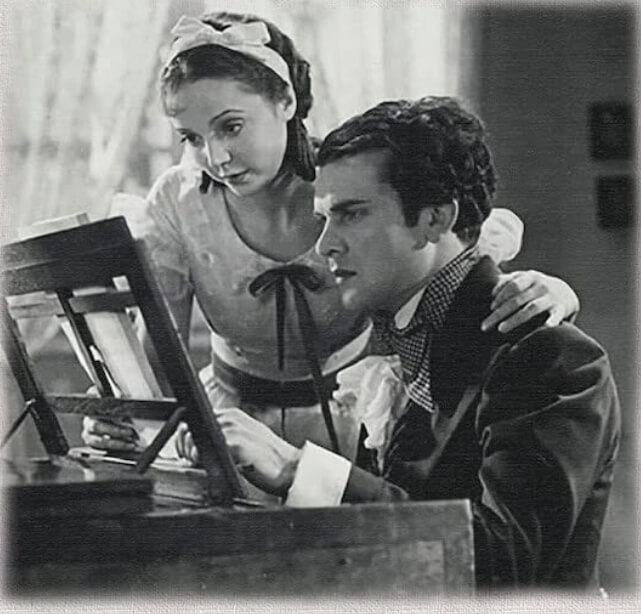

The cover of Picture Show magazine featuring Esmond
and Jessie Matthews in Waltzes From Vienna.
Hitchcock disliked Jessie Matthews from the beginning, possibly resentful of her high salary and star status. Esmond was painfully aware that his co-star was unhappy during filming, and with good reason. Hitchcock reduced her part in size to the extent that it was small for someone of her reputation; he moved the camera away from her whenever possible and constantly interrupted her during rehearsals and takes, reducing her to a highly nervous state. In her autobiography Matthews wrote: "I felt unnerved when he tried to get me to adopt a mincing operetta style. He was out of his depths and he showed that he knew it by ordering me around . . . I thought the film was perfectly dreadful." Ultimately cinema audiences felt the same. The film didn't come off and had a bad press, which was hugely disappointing for Esmond as he had entered into the project with the feeling that this was his chance at last in British pictures.
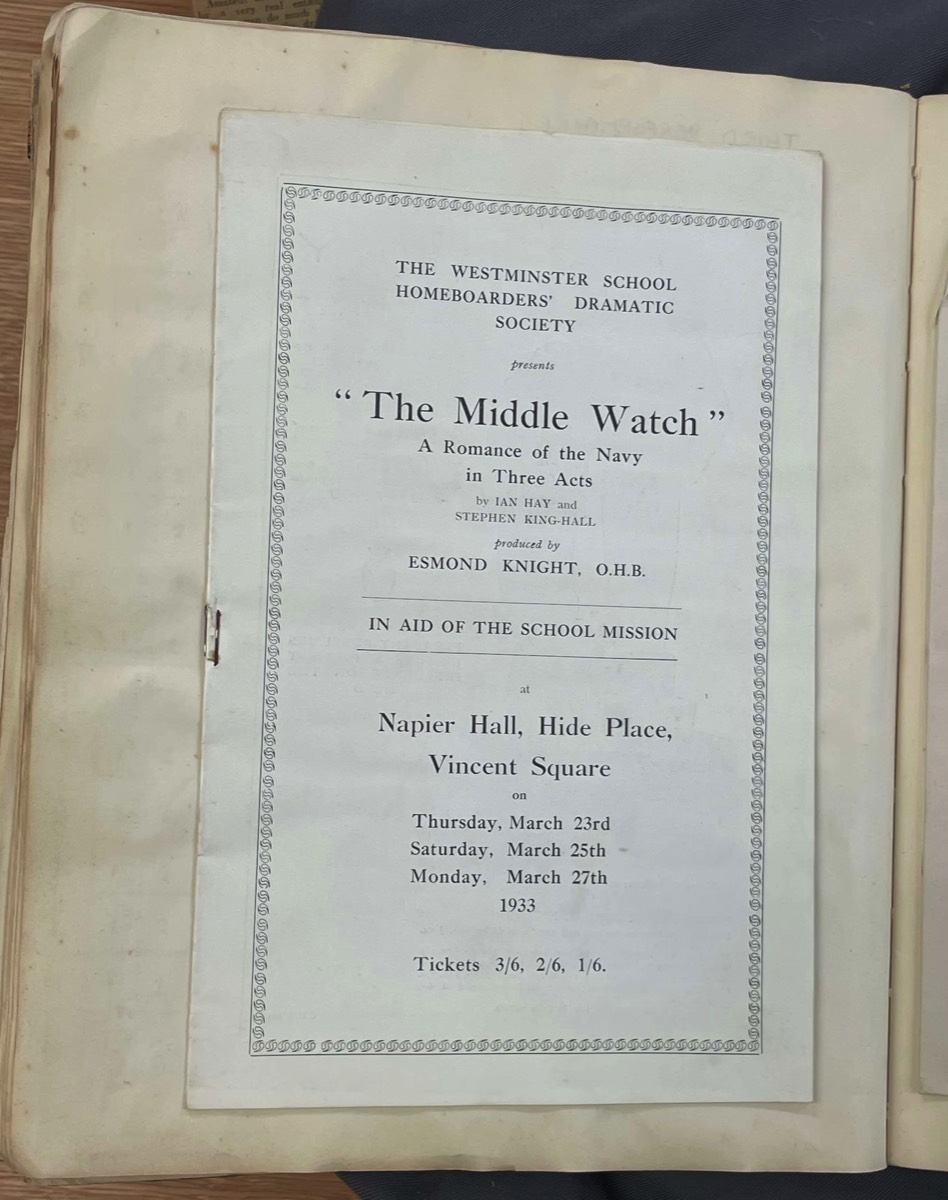
Despite a busy schedule Esmond again found time to return to Westminster School and support the Home Boarders' Dramatic Society, this time in the production of a farce called The Middle Watch. The school magazine for that year contains a report on the production which acknowledges the "excellent help of Esmond Knight, OHB [Old Home Boarder], as producer once more, and he gave up a great deal of his valuable time and worked very hard to make the play a success."
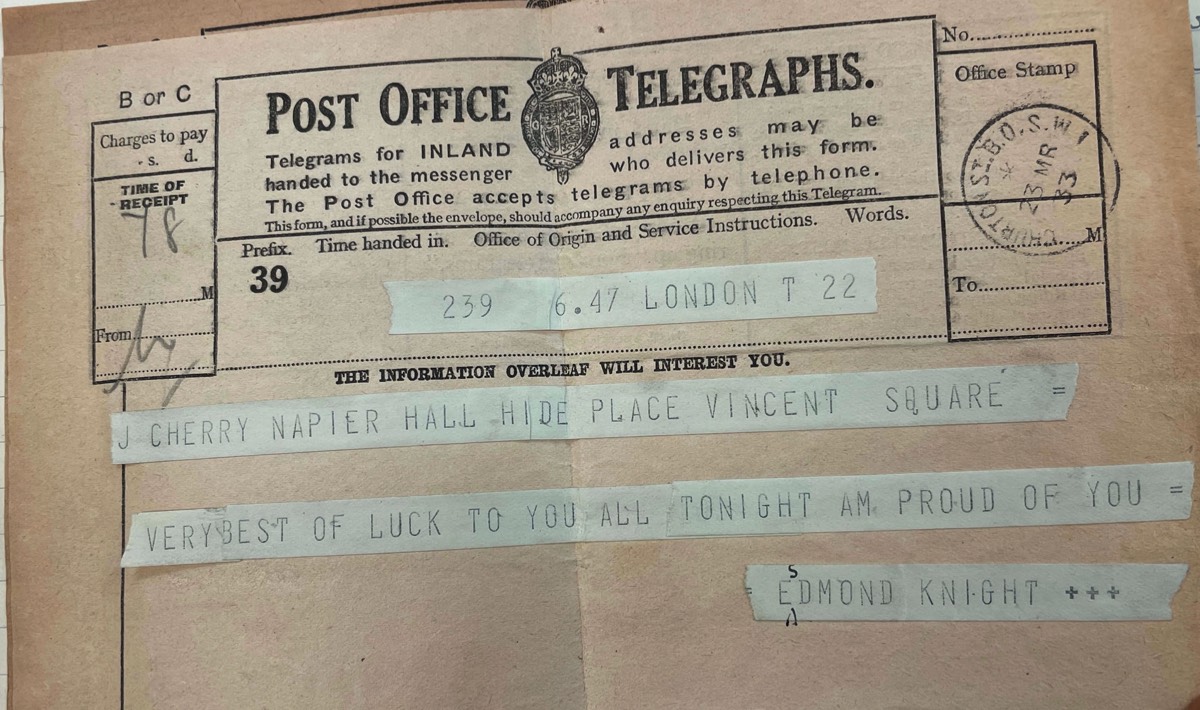
Esmond was unable to attend the opening night of The Middle Watch on March 23rd 1933 but sent a telegram of support.
(Images by kind permission of the Governing Body, Westminster School)
(
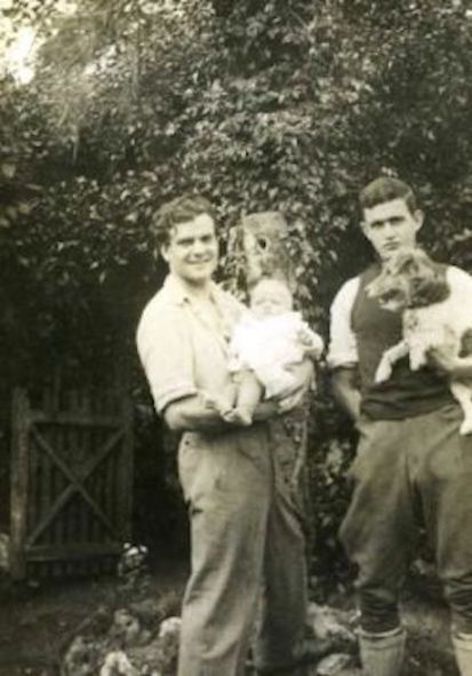
(Left) A proud father - Esmond holding Rosalind in the garden of Uncle Chas's home, Park Point, near Sevenoaks. On the right is Philip Glasier, a protégé of Chas's who went on to become a professional falconer.u
(Picture courtesy of Rosalind Knight)crtesy of Rosalind Knight)
By now the Knights had moved to the St. John's Wood area of London - their new address, 12 St. John's Wood Terrace, appears on Rosalind's birth certificate - and it was there she spent her childhood. She was named after the heroine of Shakespeare's As You Like It which was the favourite play of both parents. (Twenty-seven years later she would appear as Celia in this very play with Vanessa Redgrave as Rosalind.) Ever in demand now, Esmond was at the Savoy Hotel the day after Rosalind was born to discuss his part in another musical comedy being produced the following Spring at the Theatre Royal, Drury Lane, The Three Sisters, written by Oscar Hammerstein and Jerome Kern.
The Three Sisters opened on 9th April 1934, but despite a musical score which the Drury Lane orchestra regarded as the finest they had ever played (including the song I Won't Dance which found fame when reused years later) and an impressive stage production, the show was a flop. And for Esmond there was the particular embarrassment of being given the bird for the first time in his career. In the final act of the show, his irresponsible character, Gypsy Hood, an irresponsible, is reunited with the woman he has betrayed to find that he is the father of her child. What had been a most poignant moment during rehearsals was welcomed by a live audience with derisive laughter and catcalls. "It was a horrible experience, and the effect of that great and cruel shout of derision made me feel much as I imagine a gladiator must have felt when the crowd roared their disapproval of a clumsy sword-thrust!"
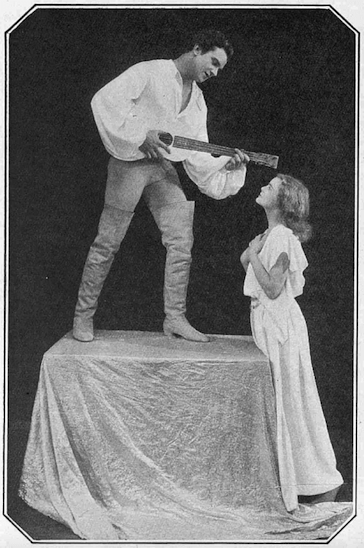
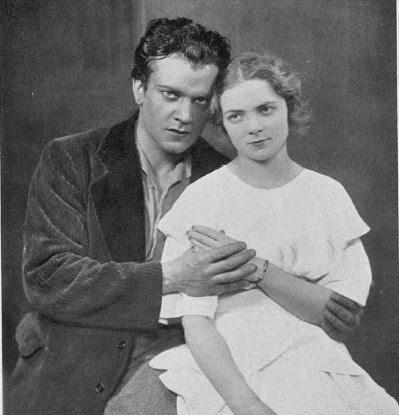
Esmond as Gypsy Hood and Victoria Hopper as Mary in the ill-fated The Three Sisters (1934). One problem may have been that audiences thought they were going to see a musical version of the Chekhov play of the same name!
On a brighter note, 1934 was a busy year overall. As well as the stage work, Esmond made no less than six films - The Blue Squadron, Father and Son, Girls Will Be Boys, Lest We Forget, King of Whales and Womanhood (released in March 1935).
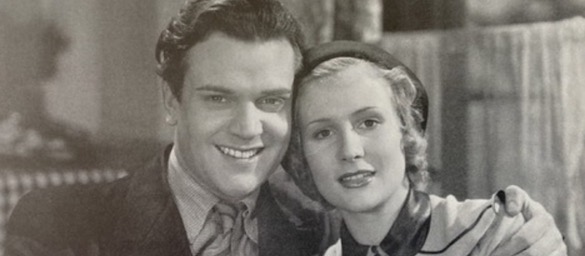
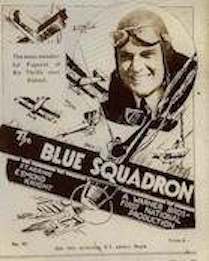
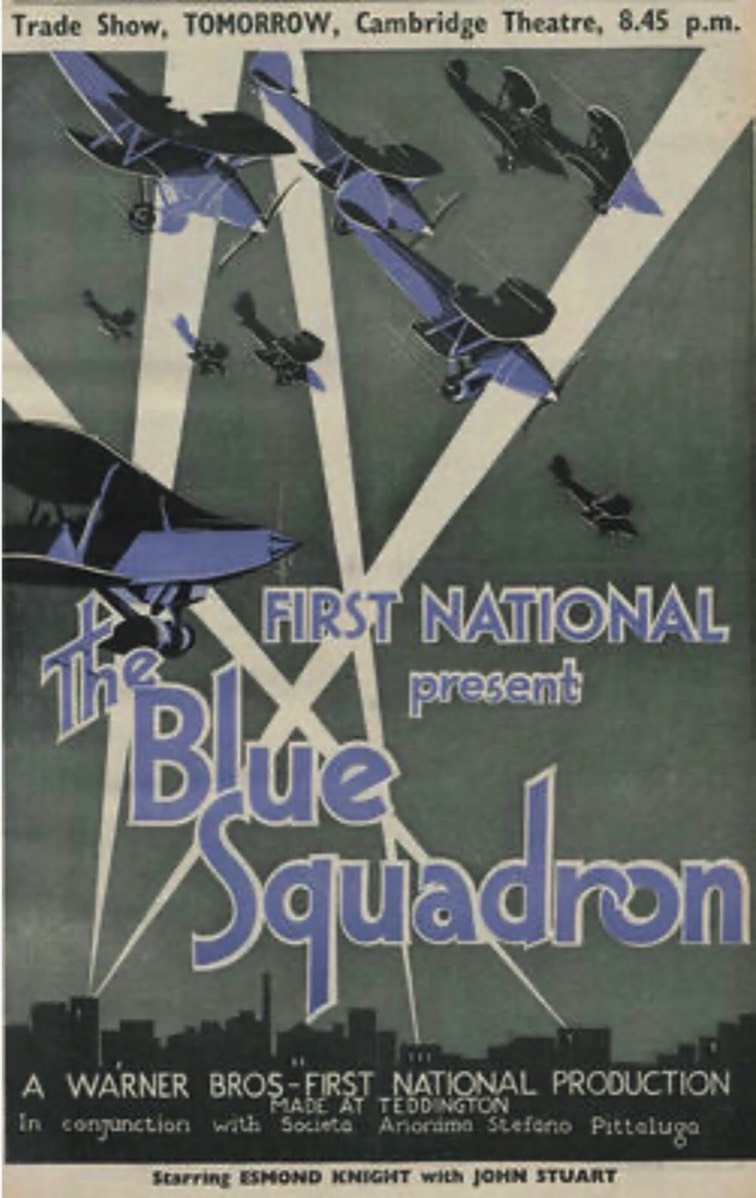
One of the six 1934 films, The Blue Squadron, has not survived and is classified by the British Film Institute as an officially lost film, not uncommon at this time when low budget "second features" were not considered worth keeping. This is a shame as by all accounts The Blue Squadron was well received on its release and involved some thrilling aerial scenes and photography as Italian Air Force pilots Esmond and John Stuart compete for the hand of the same woman (Greta Hansen), try to outdo each other with daredevil stunts in the process. For Esmond it ends badly - he goes a step too far and crashes his plane on a mountainside. Stuart risks his life to save him and they both realise that friendship is more valuable than romance; in other words they come to their senses! Esmond's delightful character name is Captain Carlo Banti. Penned by prolific screenwriter, Brock Williams, The Blue Squadron was a co-production between Teddington Studios / Warner Bros and Pittaluga Studios in Italy. Still under contract to Warner Brothers, Esmond was very keen to cross the Atlantic and see how he might fare in Hollywood. It was a serious consideration for a while but eventually came to nothing, one possible reason being that having been promoted as "The British James Cagney", Esmond may not have been received too kindly by the real Cagney (also under contract to Warner brother) on his home ground. Instead he found himself being loaned to British International Pictures for a part in Dandy Dick, a Will Hay comedy playing, coincidentally, another pilot!
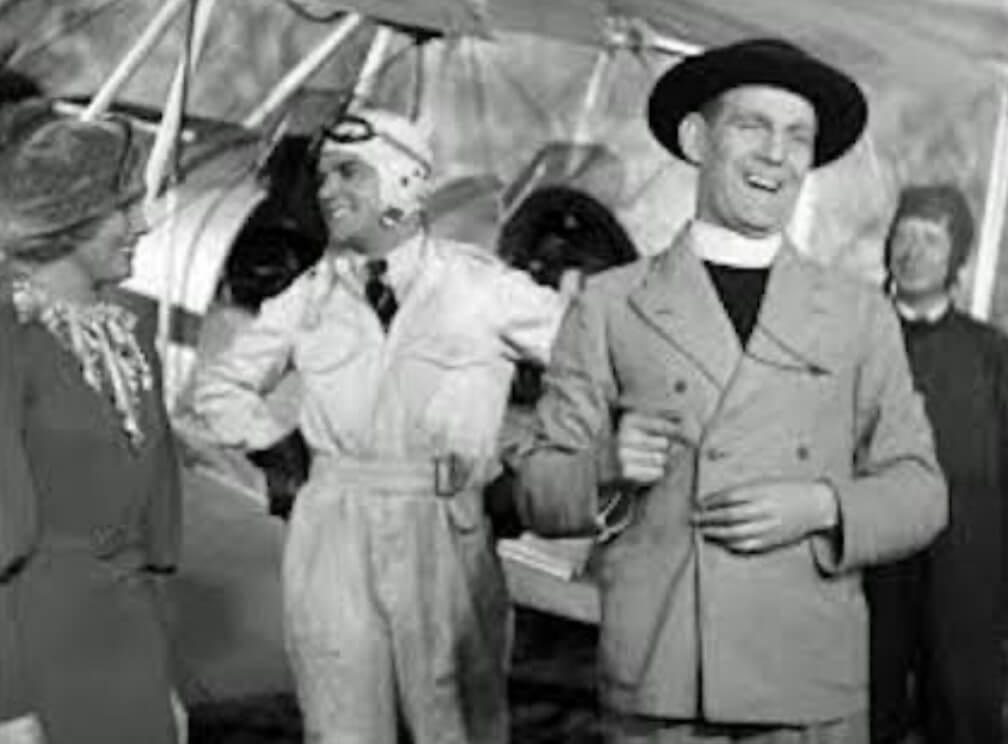
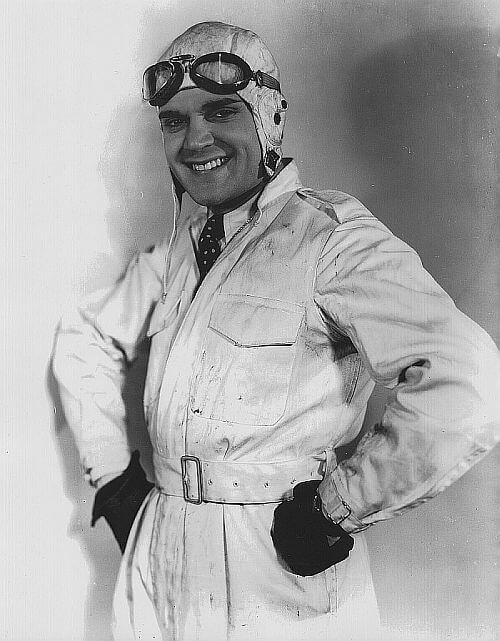
(Right) Esmond as Tony Marden in the comedy Dandy Dick. (Left) standing between Mignon O'Doherty and Will Hay.
Dandy Dick was filmed during 1934 but not released until March 1935. Although enjoyable in itself and an opportunity to work with a man he had admired on stage in music halls on a number of occasions, this was not the direction he had intended his screen career to lead him. Depressed, and soon to embark on another musical venture in London's West End, he escaped for a while to Scotland with a friend, Bruce Seton, where he stayed in a haunted castle, roamed the Highlands wearing a borrowed kilt and "did a little gentle poaching here and there".
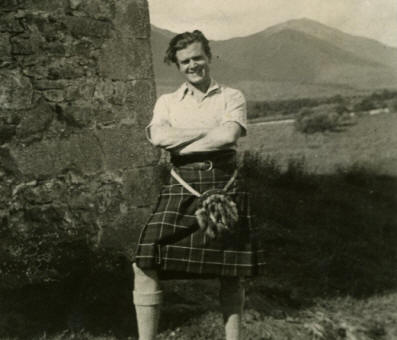
(Left) Summer 1934 - on holiday in Scotland between filming Dandy Dick
and appearing on stage in Streamline in Manchester and then London's
West End. The kilt was borrowed from a shop in Inverary.
(Original photo courtesy of Rosalind Knight)
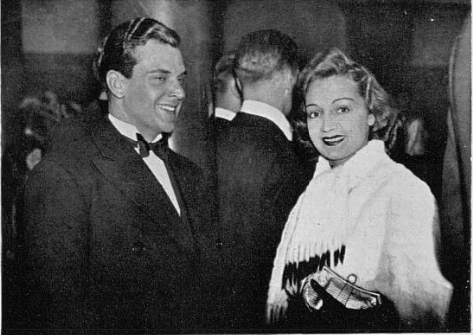
Suitably refreshed, Esmond returned to London for rehearsals for Streamline, a C.B. Cochran review with music by Vivian Ellis, words by A.P. Herbert and a cast that included Florence Desmond and Naunton Wayne. His return was noted in the London Evening News on 18th August 1934 by the gossip columnist The Compère: "Esmond knight has had a holiday in Scotland before returning to Town to start his new job as one of the principals in the Cochran review 'Streamline'. I do not remember Esmond in a review before, but I fancy that, before he got into musical comedy, he appeared in a minor capacity in 'Charlot's Masquerade' at the Cambridge Theatre. When we arrived to join Esmond at puncheon I found to my delight that he had brought with him a friend of mine, Meg Lemonnier, who is also with 'Streamline'. Before my arrival they had been talking about Pekinese dogs." When rehearsals in London were over, Esmond travelled to Manchester for the three-week preliminary run, which opened after a marathon dress rehearsal that lasted through the night from 6pm to 8am the next morning. But it was all worthwhile as the show proved to be a huge success there.
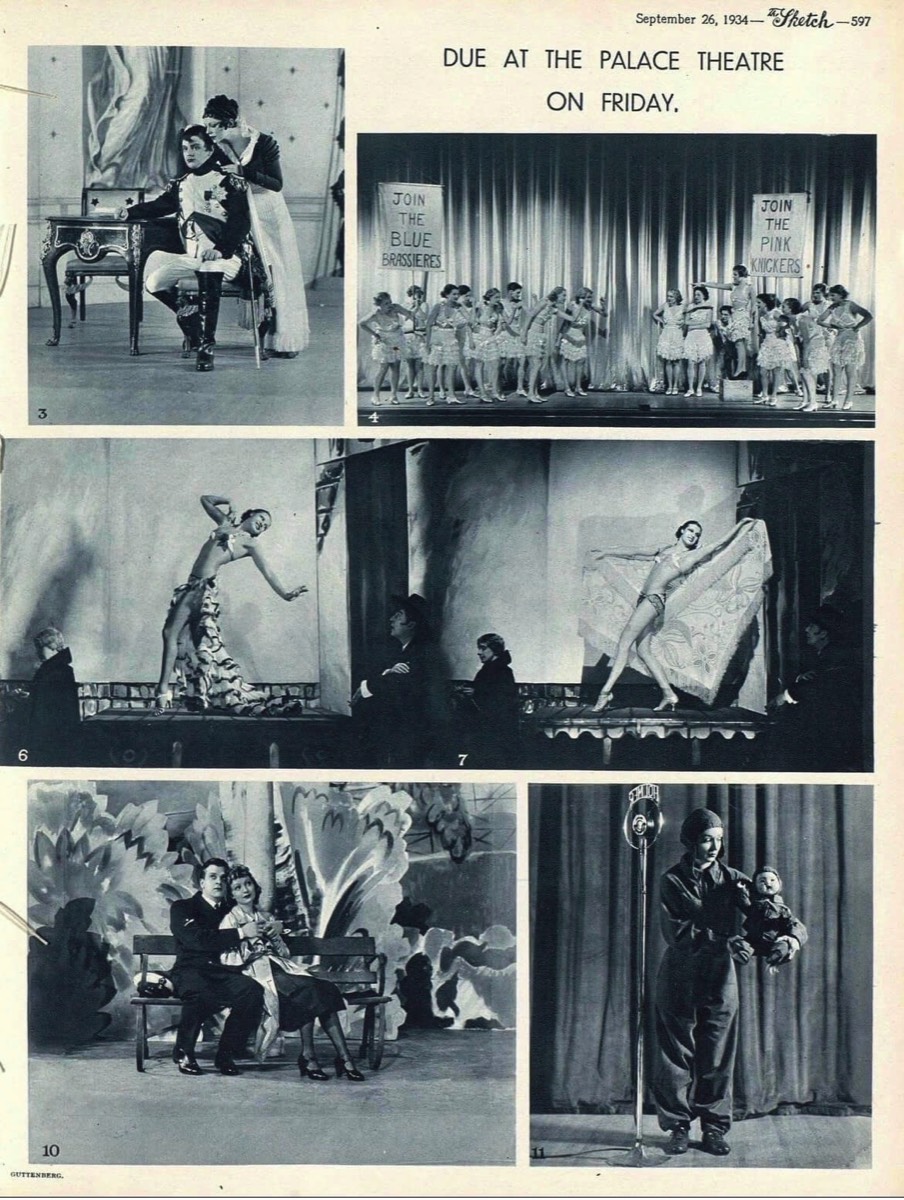
The Sketch magazine announces the forthcoming opening of the new review Streamline on 28th September 1934 at the Palace Theatre, London. Esmond was involved in several of the sketches including a parody of Gilbert & Sullivan called Perseverance, and a satirical number, A British Mother's Big Flight (spoofing Amy Johnson). He can be seen (bottom left) with Florence Desmond in an unidentified number, and (top left) in another looking suspiciously like Napoleon Bonaparte!
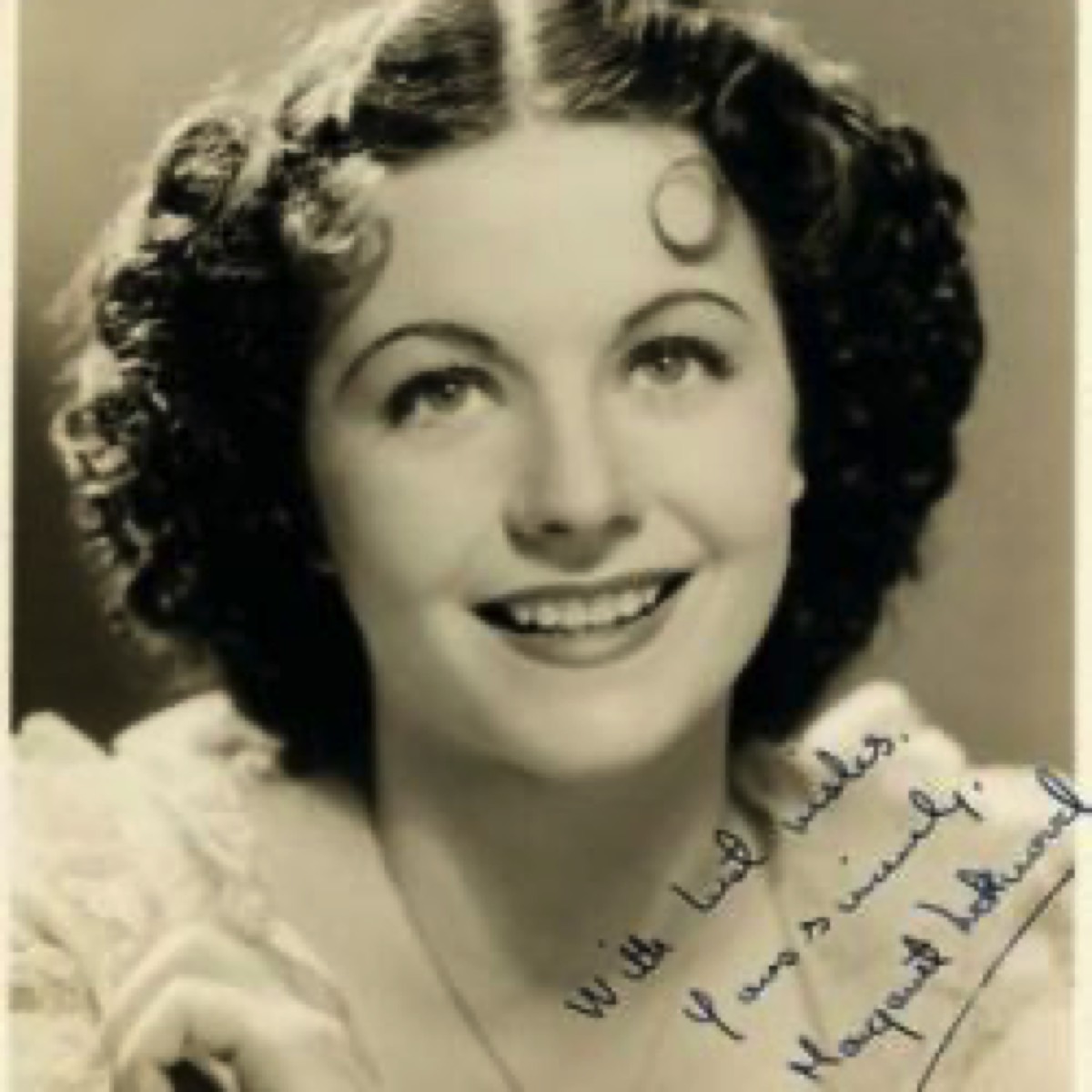
After such a long run, Esmond was keen to work on projects of a more serious nature and, despite a generous salary, was relieved when Streamline came to an end. The feeling was enhanced when he was able to play in Hamlet at the Sadlers Wells Theatre, albeit briefly. Fortunately Irving Asher at Warner Brothers soon found him two suitable vehicles in close succession, both made at Teddington Studios where Warners were now based. Firstly he worked again for Michael Powell alongside a 19 year-old Margaret Lockwood (pictured left) in another Powell "quota quickie" - Someday. It was a remake of a successful silent film, Young Nowheres, and tells the story of a lift-boy (played by Esmond) who treats his girlfriend (Margaret) to dinner in the flat of one of his tenants while he is away. The owner returns early, is none too pleased to find them there and subsequently they all end up in a police court. The film wasn't a huge success and Monthly Film Review in their July 1935 issue felt that "Esmond Knight does not appear too happy as Curly but Margaret Lockwood is quite successful as Emily".
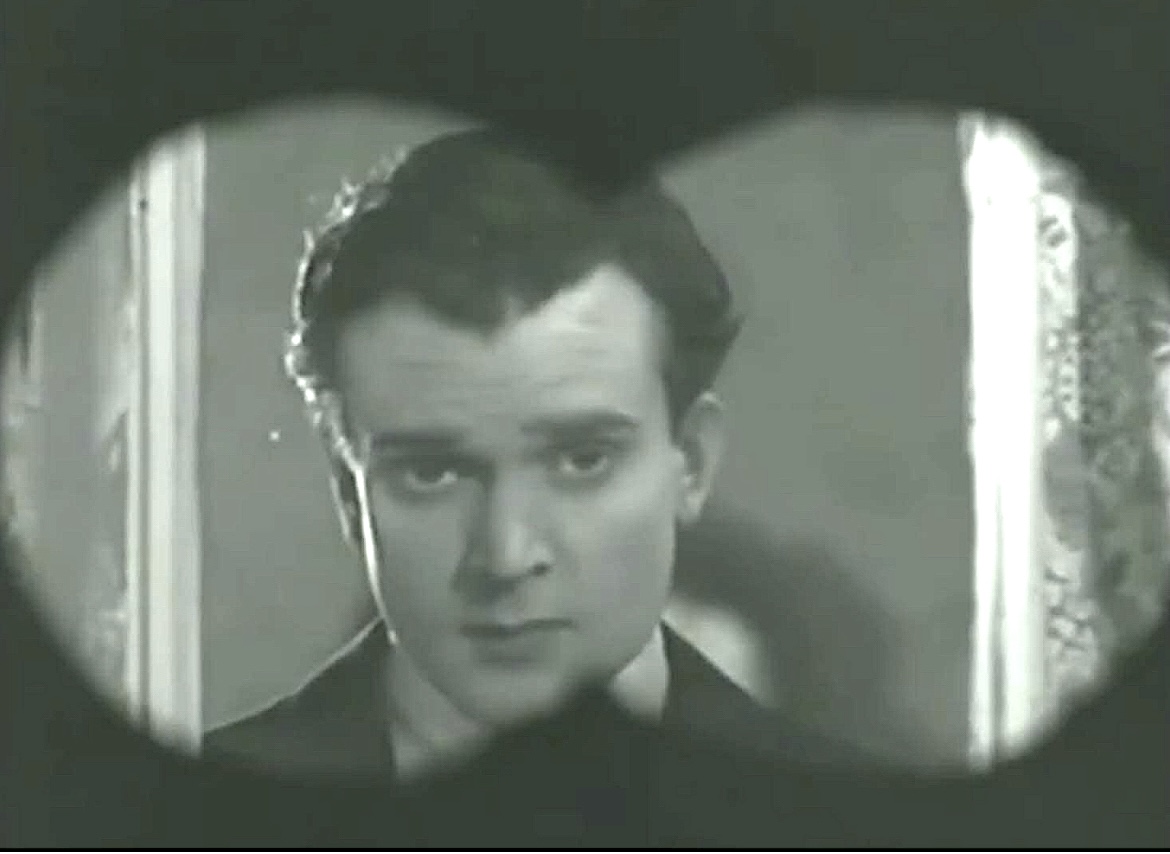
Then Esmond starred (i.e. name above the title) in a film called Crime Unlimited, directed by an American, Ralph Ince, who had been sent over from the USA by Warners to try and boost the quality of quota films being made in the UK. This time Esmond's co-star was Lilli Palmer who had recently arrived in Britain, having left Germany in the wake of Hitler becoming Chancellor in January 1933. The film had a clever plot and contains some fascinating close up shots of Esmond miming directly to camera. He plays Peter Borden, an undercover policeman who infiltrates a ruthless gang of criminals and ingeniously provides Scotland Yard with updates of his progress by mouthing from his bedroom window so that a deaf man in the building opposite can lip-read his messages.

Despite being very busy filming Crime Unlimited by day and on stage in Streamline by night, Esmond still managed again to find time to help Westminster School's Home Boarders' Dramatic Society with their 1935 production - The Admiral Crichton (for the last as it turned out - the society came to an end). In fact they had difficulty getting hold of him at first, but once they had they found him as enthusiastic as ever and acknowledged that "it was a great sacrifice on his part to come and help us". Their first rehearsal with him was held on January 18th 1935 and the play opened in March. Despite his good intentions, Esmond realised he couldn't take on board full responsibility for producing the play, so he invited J. A. Lasbrey (Jack Carlton) to join them and they co-produced, to great effect by all accounts.
With film and stage commitments behind him, Esmond was ready for a break, and on 7th May (three days after his 29th birthday and the day after King George's Silver Jubilee) he and Fran set off to Spain for a holiday. They crossed the Channel by steamer and traveled by train, initially to Barcelona and then on to the island of Majorca, which they loved. They returned slightly ahead of their planned schedule when Esmond received a telegram from Connie, a well-known London agent: Return immediately. Got part for you, I think!
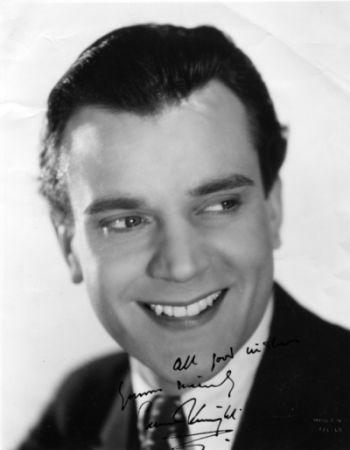
A signed publicity portrait dating from the mid-1930s when Esmond was
still under contract to Warner Brothers. The picture was taken by Russell
Westwood at Teddington Studios where Warner's UK operation,
First National Productions Ltd., were then based.